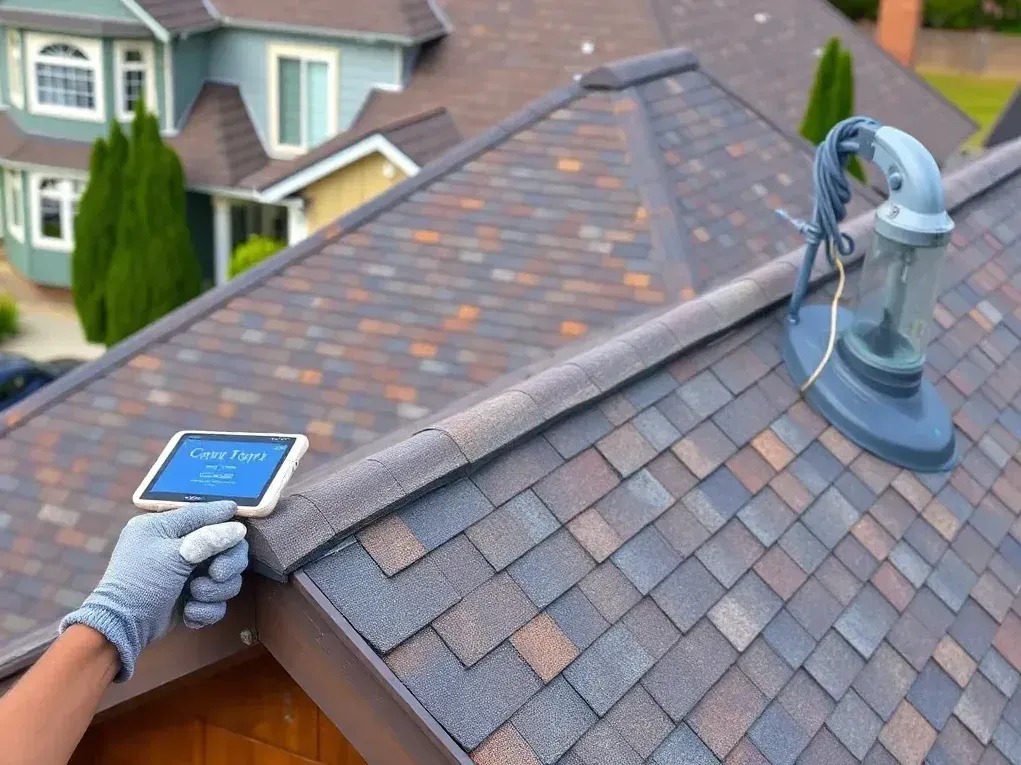
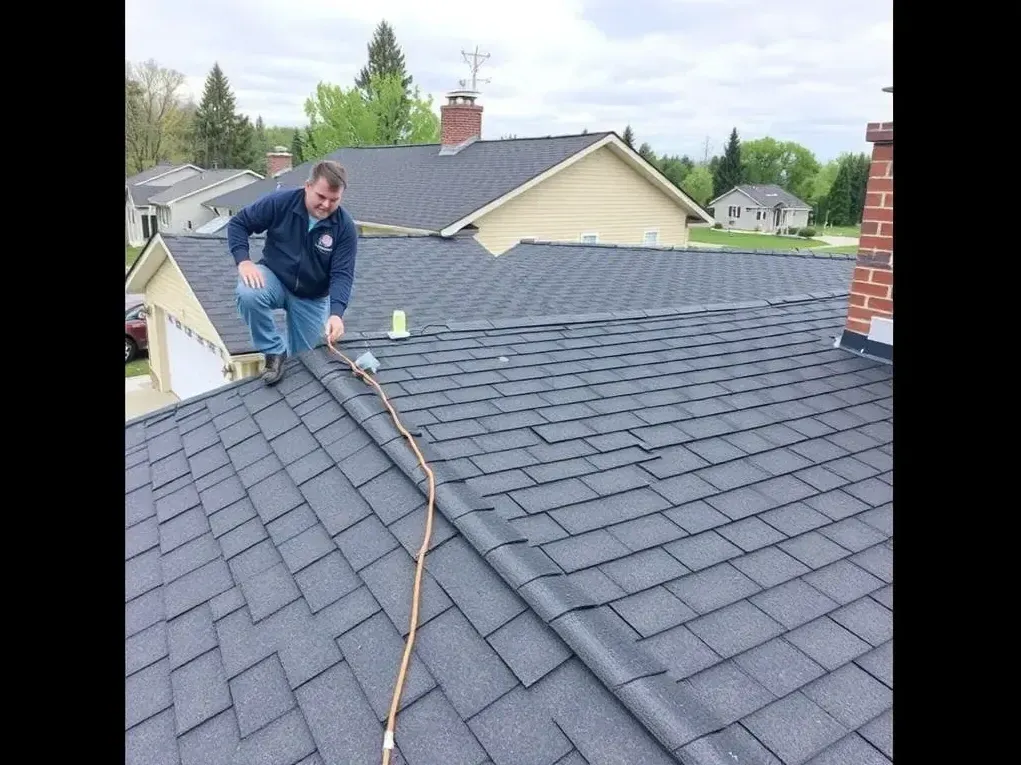
Roof maintenance is a yearly walk of your roof and attic, not a sales visit. We clear gutters and downspouts, confirm the ridge vent and soffit vents still move air, and check sealant around pipe boots and chimney flashing.
A loose nail or a lifted drip edge looks minor in July. By February it has soaked the insulation and left a stain on your ceiling.
Hot humid summers with frequent thunderstorms push water sideways under three-tab and architectural shingles. Nor'easters bring high winds that tear at the rake and eave edges, and snow and ice accumulation in winter months builds ice dam pressure behind the eave line.
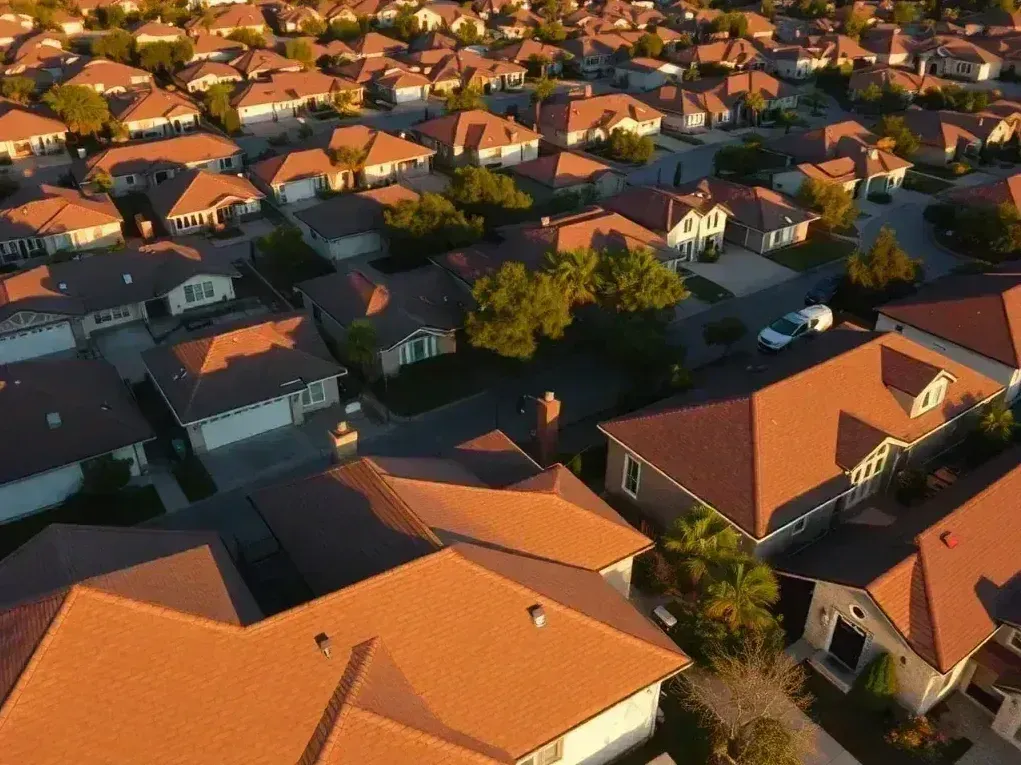
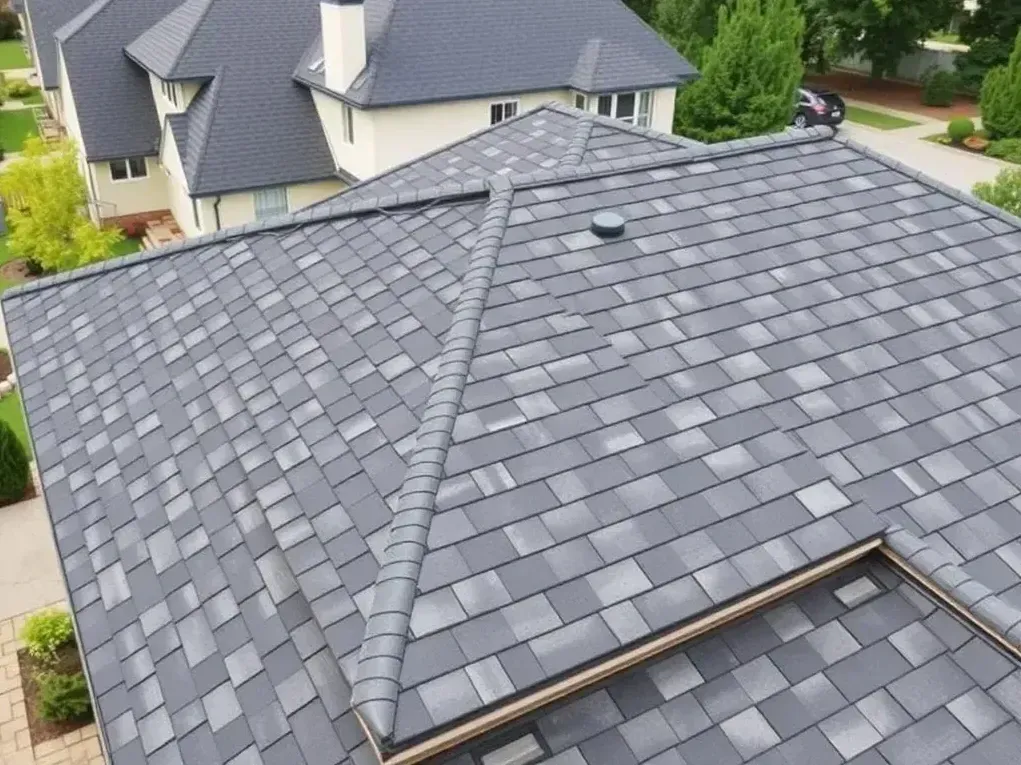
On Mid-century ranch and split-level homes from the 1950s-1970s, we spend most of our time on valleys and hips. Newer colonial and townhouse roofs get a check of the synthetic underlayment and step flashing.
Older farmhouses and historic homes need the roof deck inspected board by board. Asphalt shingles over a heavy ice-and-water shield at the eaves hold up best here, and standing-seam panels or cedar shake are worth considering where snow sits longest.
One resealed pipe boot and a replaced ridge cap cost far less than a ceiling repair. Maintenance is also where we tell you plainly that a roof is finished and another patch is wasted money.