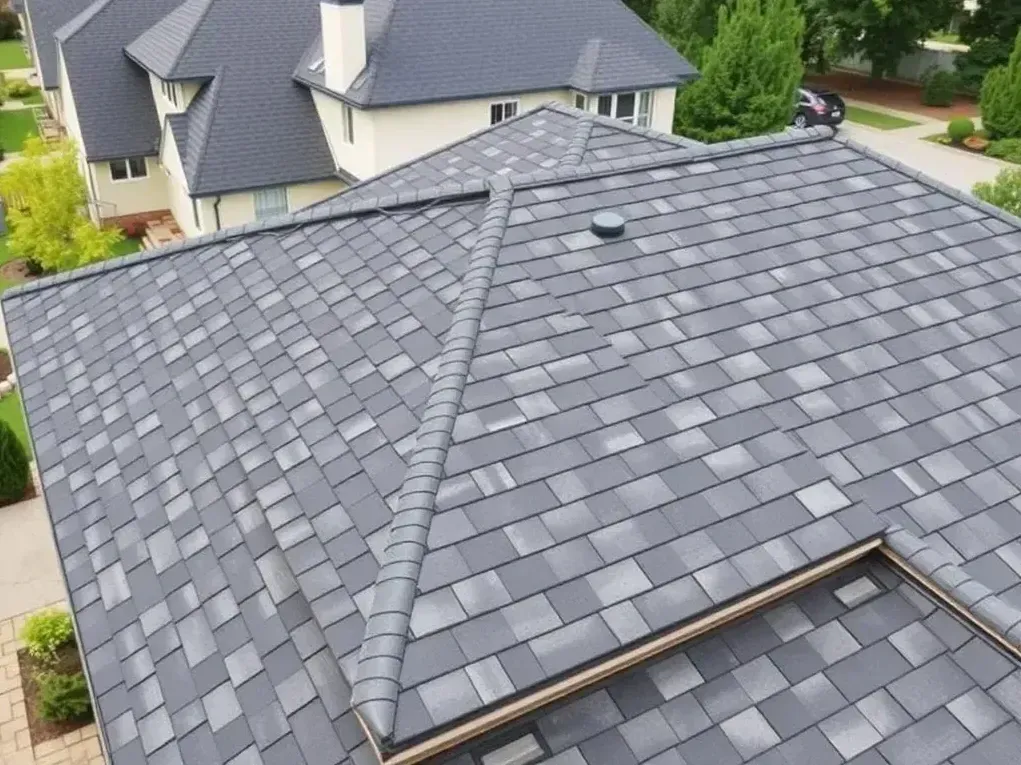
Slate roofing is a layered system, not just stone on a roof deck. Every course sits over a self-adhered ice-and-water shield at the eave, synthetic underlayment across the field, and copper or stainless flashing in the valleys and chimney runs.
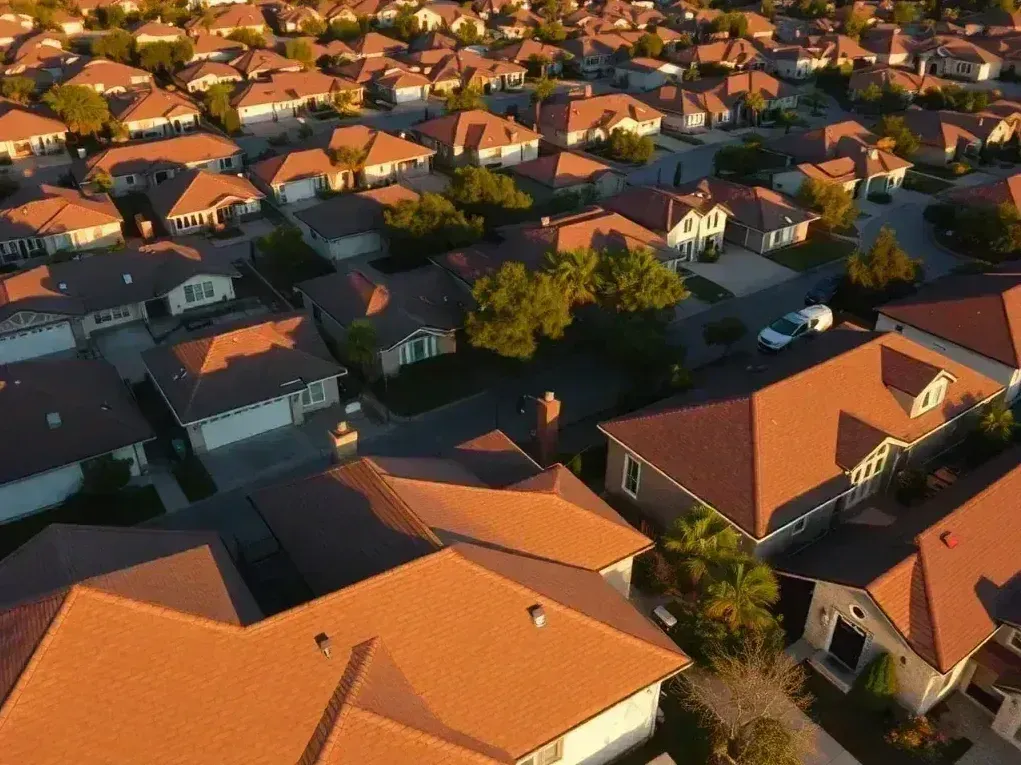
On the township's mid-century ranch and split-level homes from the 1950s-1970s, roof pitch is often too low for a three-tab shingle, so slate gives you both the look and the weatherproofing those shallow gables need.
Older farmhouses and historic homes from the 18th-19th centuries usually have the rafter and truss framing to carry slate's weight, roughly 900 to 1,500 pounds per roofing square. We check the roof deck, sheathing, and joists before we quote anything.
Slate costs more up front than asphalt shingle, but it lasts decades longer. That math matters on newer colonial and townhouse developments from the 1990s-2020s, where a tear-off and re-roof every 15 years adds up fast.
Hot humid summers with frequent thunderstorms drive water sideways past worn flashing and into a fascia or soffit. Nor'easters bringing heavy rain and high winds tear at the rake, verge, and ridge cap. Snow and ice accumulation in winter months works into the eave, freezes, and lifts stone.
We install three families of slate: natural quarried slate, synthetic composite slate, and clay or concrete tile for homeowners who want the look with a lighter load on the roof deck. Each one has its own pitch and anchorage requirement.
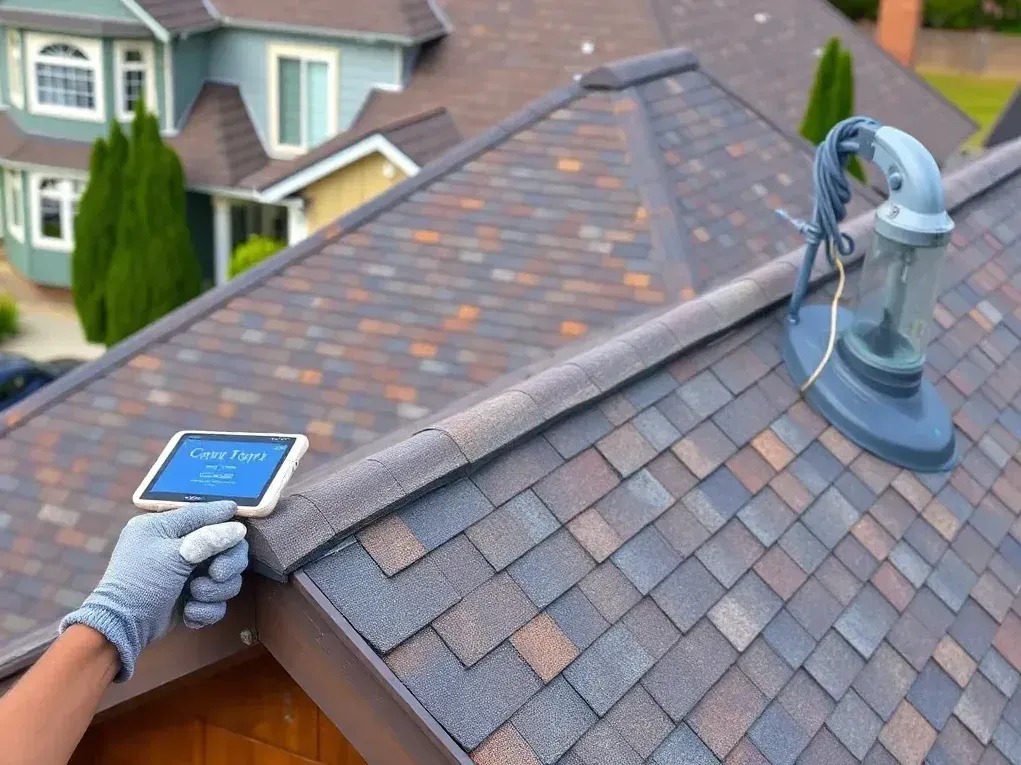
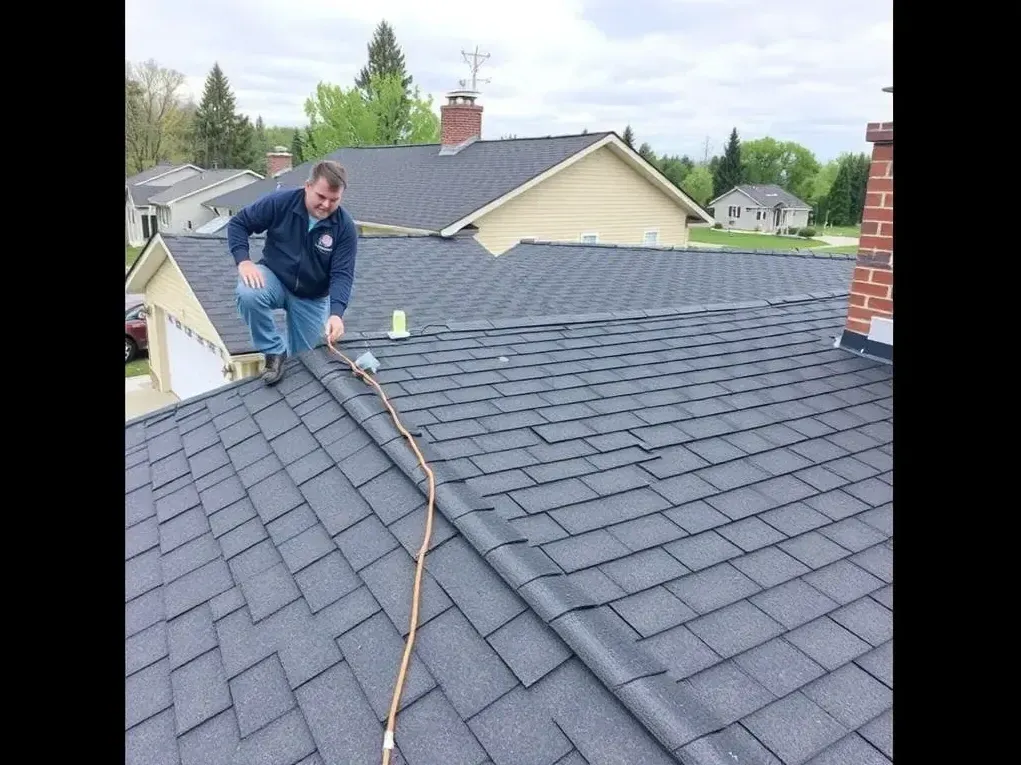
Natural slate will not curl, blister, or flake under UV the way a shingle does. What fails on these roofs is almost always the flashing, the fasteners, or the felt underneath, which is why a periodic roof inspection matters more than the stone.
Gutter, downspout, soffit, and fascia work usually rides along while scaffold is already up, so bundling it saves a second mobilization. All work is licensed & insured, with a written line-item estimate before we start.